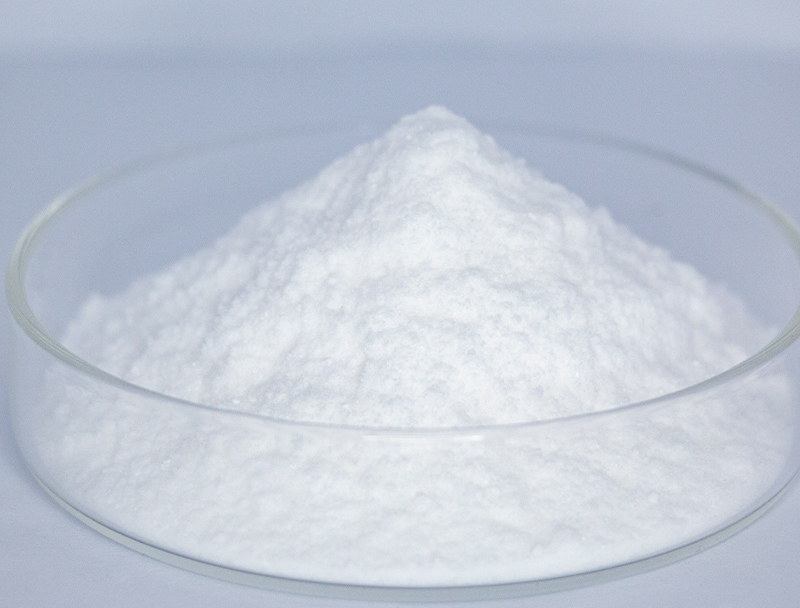
gmp-compliant analytical-grade inputs concentrated alpha-ketoglutaric acid
Advanced biosystems are built around a wide assortment of input materials for developing state-of-the-art biosolutions.
Assuring long-term supply of raw inputs is indispensable to sustainable success and conscientious scaling.
multiple challenges associated with traditional raw material procurement including carbon-intensive impacts and resource exhaustion. Therefore, biomanufacturing companies must actively seek out alternative sourcing strategies to minimize their ecological footprint.
- Instances of green procurement approaches are:
- Adopting organic-origin materials from crop remnants
- Adopting looped production models to decrease loss and amplify reuse
- Aligning with domestic providers that adhere to transparent sourcing
Transitioning to green supply models secures ecological benefits and economic upside.
Advancing Biomass Preparation for Elevated Biofuel Production
Enhancing biofuel output is grounded in superior feedstock characteristics. Experts maintain efforts to discover ways to maximize feedstock value, resulting in superior production volumes and sustainable energy gains. Strategies feature genetic optimization to raise biomass yield plus pretreatment to depolymerize plant polymers into sugars.
- Additionally, researchers are focusing on identifying new sources of biomass, such as algae, waste products, agricultural residues, to expand the range of sustainable feedstocks available for biofuel production.
- Through these continuous efforts, the field of biofuel production is poised to make significant progress in the coming years, paving the way for a more renewable energy landscape.

Transformations in Upstream Biopharma Workflow Design
includes primary operations from inoculation through cell collection Recent advances in this domain have led to improved production processes, ultimately increasing product yield.
Meaningful breakthroughs include engineered cell strains, enhanced culture formulations, and modular reactor designs. These innovations not only enhance productivity but also minimize production costs and environmental impact.
- In addition, momentum toward nonstop processing offers improved flexibility and optimized operational flow.
- This shift towards more sophisticated biopharmaceutical manufacturing methods promises to revolutionize the industry and pave the way for faster development of novel therapeutics.

Innovations in Gene Editing for Improved Biopharmaceutical Yield
progresses in gene editing technologies, such as CRISPR-Cas9, have revolutionized the production of biopharmaceuticals. Through controlled genetic modifications, practitioners increase therapeutic protein production. This route supports the creation of more affordable and productive treatments for multiple disorders.
Biodegradation Strategies Using Targeted Microbial Cultures
cutting-edge microbial approaches that remediate contamination sustainably. Specialized microbes can enzymatically degrade pollutants to reduced-toxicity products.. Harnessing microbe-based degradation fosters cleanup tactics that minimize environmental disruption and residual waste.. Study groups probe microbial metabolic diversity to tackle metals, persistent pesticides, and hydrocarbon spills.. The microbes may be applied within engineered reactors or in situ to catalyze pollutant degradation via biotransformation..
Biological remediation using microbes yields meaningful benefits compared to conventional strategies. These methods are economical and eco-conscious while reducing hazardous secondary waste. Moreover, microbes can be tailored to address specific pollutants with minimal impact on non-target organisms. The field is rapidly refining methods to make microbial remediation more efficient and broadly effective.
Data-Driven Approaches for Therapeutic Development
Informatics platforms are essential to current drug discovery and development pipelines. From predictive screening to lead refinement, computational biology underpins more efficient drug pipelines.
- With analysis of broad omics and clinical datasets, bioinformatic experts identify targets and model drug effects.
- Also, in silico modeling of molecular interactions accelerates optimization toward more selective therapeutics.
- In the end, informatics-driven methods streamline development and accelerate delivery of therapeutic solutions to patients.
Metabolic Design Approaches to Boost Bioproduct Yields
integrates multiple methods to augment cellular production of target bioproducts. Tactics can encompass genetic engineering to reconfigure metabolism, promoter modulation to adjust expression, and pathway insertion to enable new reactions.. Through strategic metabolic edits practitioners can markedly increase the synthesis of target products.
Such holistic engineering could impact many areas including medical therapeutics, agricultural outputs, and biofuel production.
From Lab to Plant: Challenges and Opportunities in Biomanufacturing Scale-Up
Expanding production volumes poses difficult barriers yet offers substantial opportunities. Sustaining uniform quality across expanded production capacity is a principal challenge. Solving it involves resilient control frameworks, high-resolution monitoring, and modern analytical tools.
Complexity in multi-step biomanufacturing operations presents ongoing operational challenges.. Converting small-scale procedures to plant-scale operations necessitates extensive innovation and optimization.. Still, the gains can be meaningful. Efficient scale-up can amplify access to medicines, compress costs, and strengthen returns.
Numerous initiatives aim to tackle these scaling challenges. These include the development of new technologies for process optimization, advanced analytics for real-time monitoring and control, and innovative manufacturing strategies.
- Developmental projects contribute critically to scaling manufacturing competency.
- Regulatory frameworks are being optimized to accommodate novel production technologies and promote innovation.
Mapping the Compliance Environment for Safe Therapeutic Development
Manufacturing biopharmaceuticals entails detailed regulatory processes to copyright safety and clinical performance. Biopharmaceuticals, often derived from biological sources, present unique challenges compared to traditional medications.
Agencies such as the FDA in the United States and the EMA in Europe play a crucial role in establishing guidelines and standards for the approval of these innovative therapies..
Extensive evaluation procedures are essential across development phases, spanning preclinical work to post-market checks.. The protocols serve to uncover safety concerns and certify that products fulfill rigorous protection standards..
Likewise, authorities progressively modify regulatory tactics to follow the speed of innovation in biopharma.. Efforts comprise integrating cutting-edge tools and easing development pathways while upholding patient safety.
Assessing Plant Biomass Pathways for Bioplastic Innovation
Growing emphasis on eco-conscious materials catalyzes research into plant-based options. Plant-based bioplastics made from biomass feedstocks present a hopeful path to reduced plastic impact. Feedstocks including cornstarch, plant cellulose, and sugarcane derivatives yield biodegradable plastics which break down and mitigate plastic pollution.
Likewise, some plant-derived plastics perform similarly to petroleum-based materials for a variety of uses.. Persistent innovation will be key to advancing plant biomass into mainstream bioplastic manufacturing for a circular future.
Biotech Innovations Addressing Health and Food Challenges
Biotechnology equips researchers with methods to tackle health crises and bolster food availability. Via genetic modification, synthetic design, and therapeutic cell technologies, researchers build solutions to control infections, increase crop productivity, and enrich food quality.. Consider genetically enhanced crops that resist pests and environmental stresses to improve production and reduce pesticide reliance.. Similarly, biotech contributes advanced vaccines, antimicrobial strategies, and diagnostic techniques crucial for infectious disease management and health advancement.. As Sialic Acid the field evolves, biotechnology is expected to play a pivotal role in shaping a healthier and environmentally sustainable future for all.
trans-Cinnamic acid